About Me
BACKGROUND
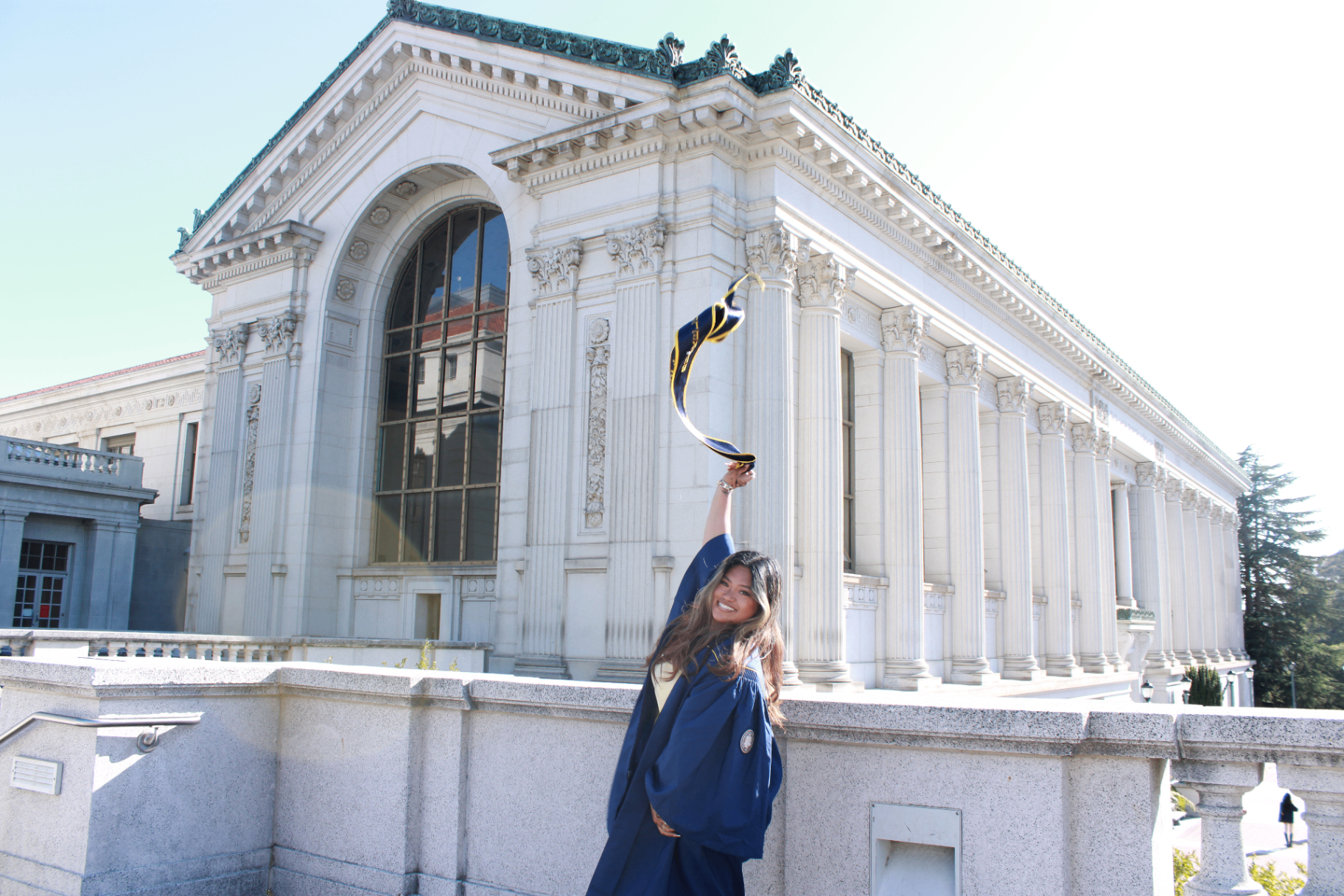
I graduated from UC Berkeley's College of Environmental Design with a B.A. in Urban Studies ('26). I am passionate about the everyday activities in cities. With minors in Sustainable Design and Social & Cultural Factors in Environmental Design, I bring a multidisciplinary lens to each project, pairing spatial thinking with questions of culture, governance, and design performance.
Outside the studio, I work part-time at entertainment venues such as the Greek Theatre, which keeps me close to the energy of large public gatherings and informs how I think about performer and crowd flow, safety, and the atmosphere of shared spaces. I serve as editor-in-chief of a cultural literary publication, telling stories about identity and place. Volunteering with domestic violence awareness organizations and animal shelters keeps my work grounded in care and mutual aid. Design choices always land in real people's lives, and I try to remember that in every decision. Across these experiences, I am driven by a love of learning and a conviction that designers are foundational storytellers--as long as the process remains intentional, innovative, and inquisitve.
UC Berkeley
College of Environmental Design
B.A. Urban Studies, 2026
"We must continue to find questions in the answers."
My process is about embracing the wickedness of design. Iterative processes only open opportunity for learning about the layers to design. Design mimics people, and people make cities. If we understand people through community engagement processes, we can understand our designs better part-by-part. To understand these pieces, we must continue to find questions in the answers.
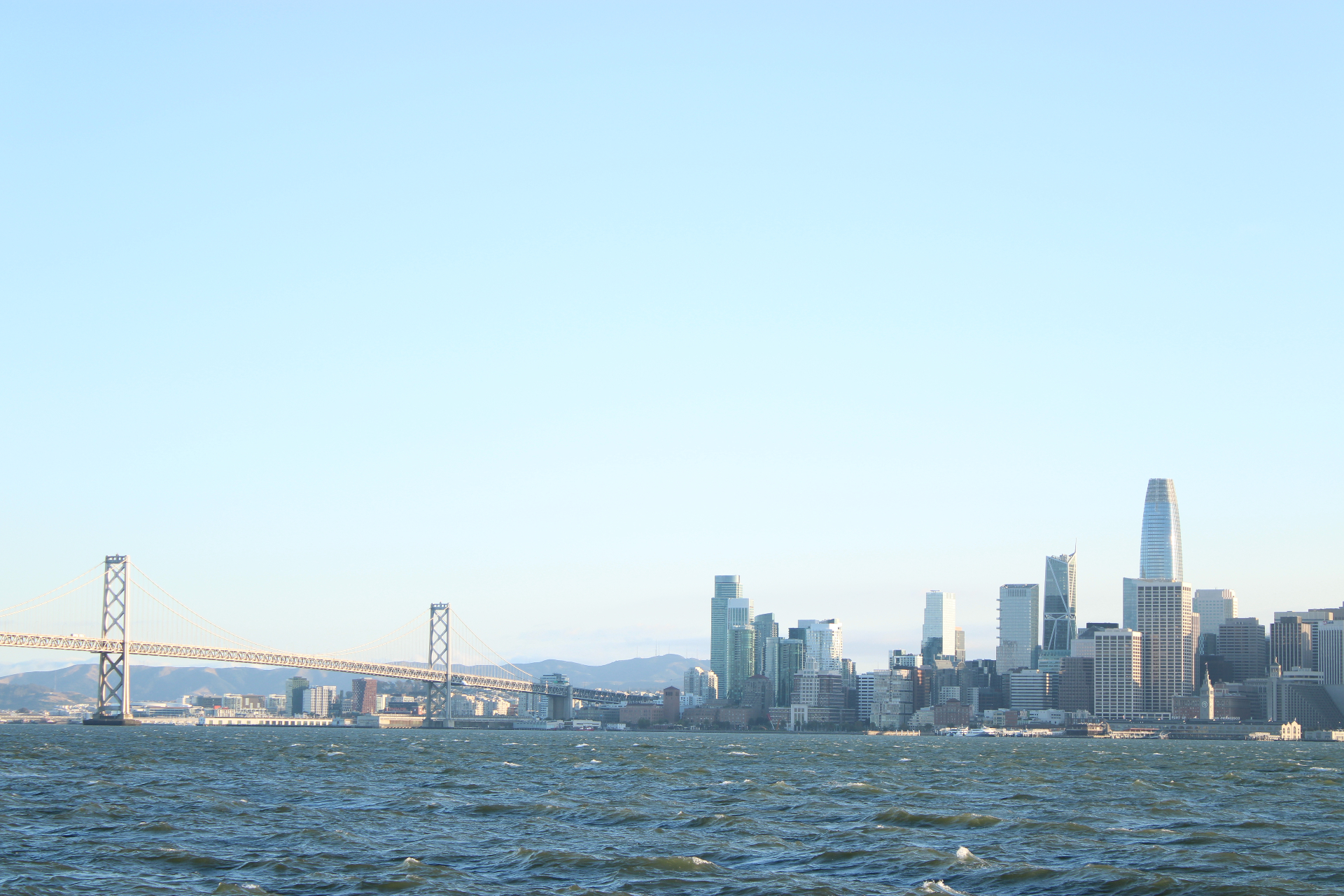
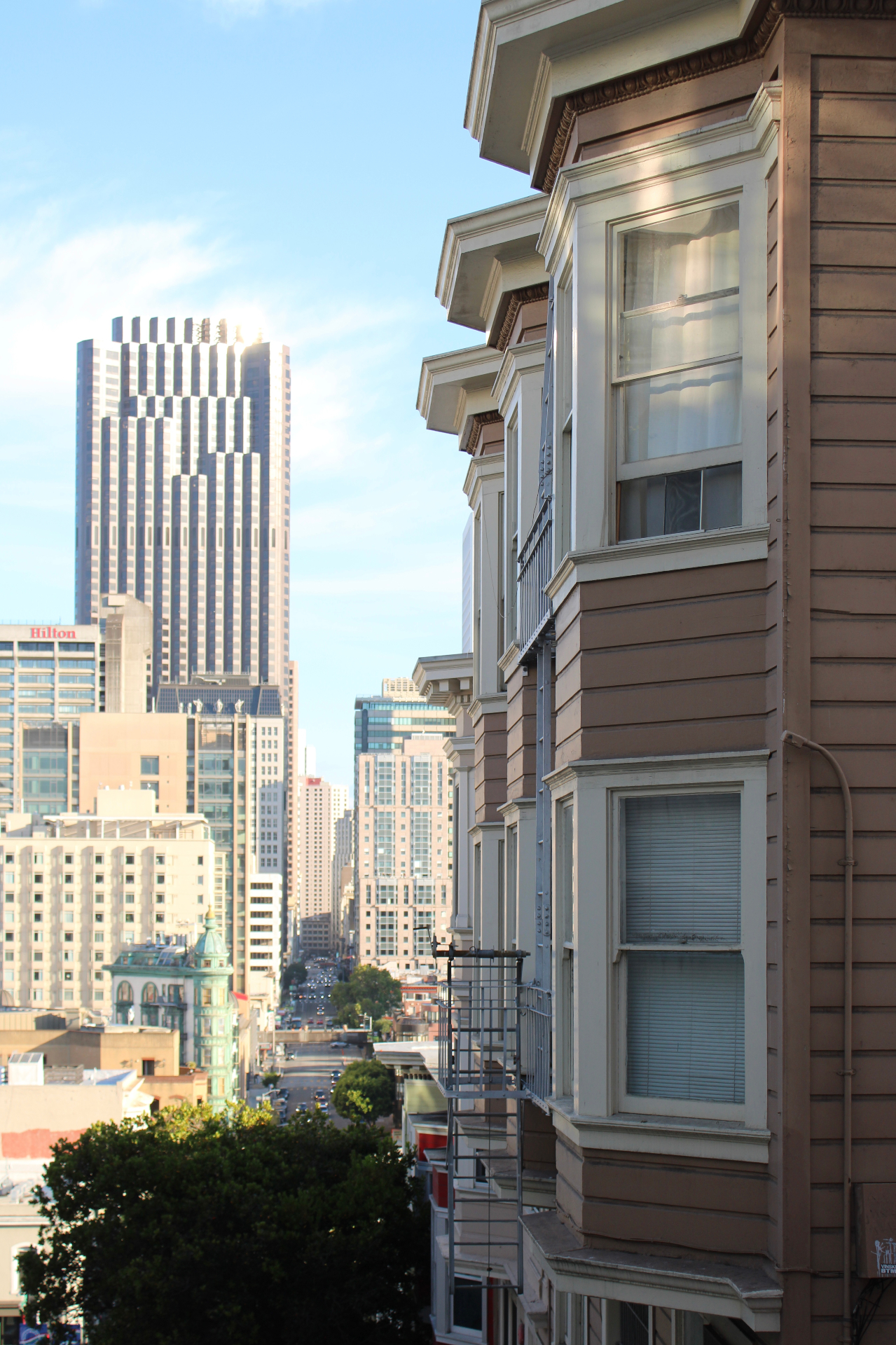
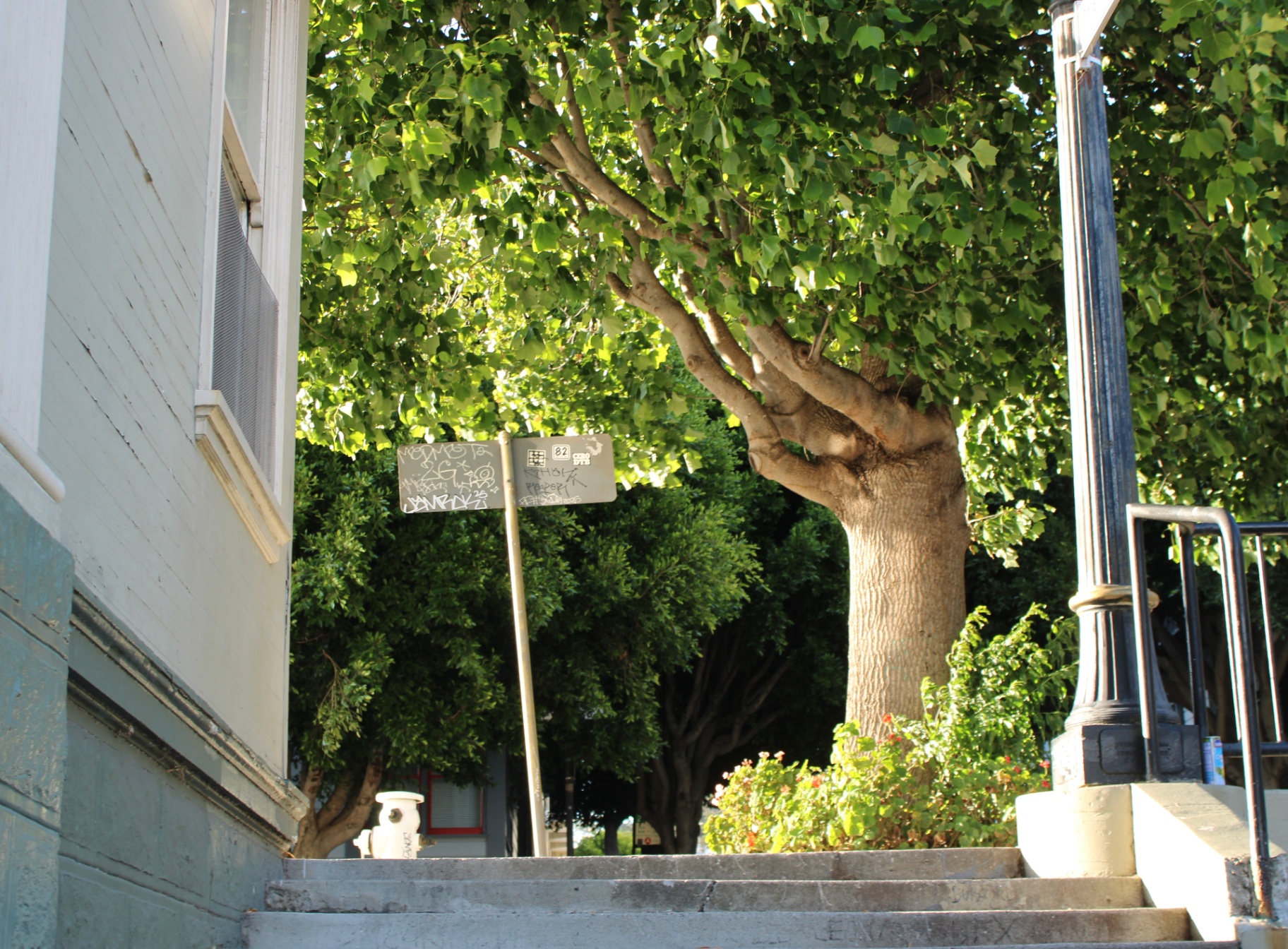
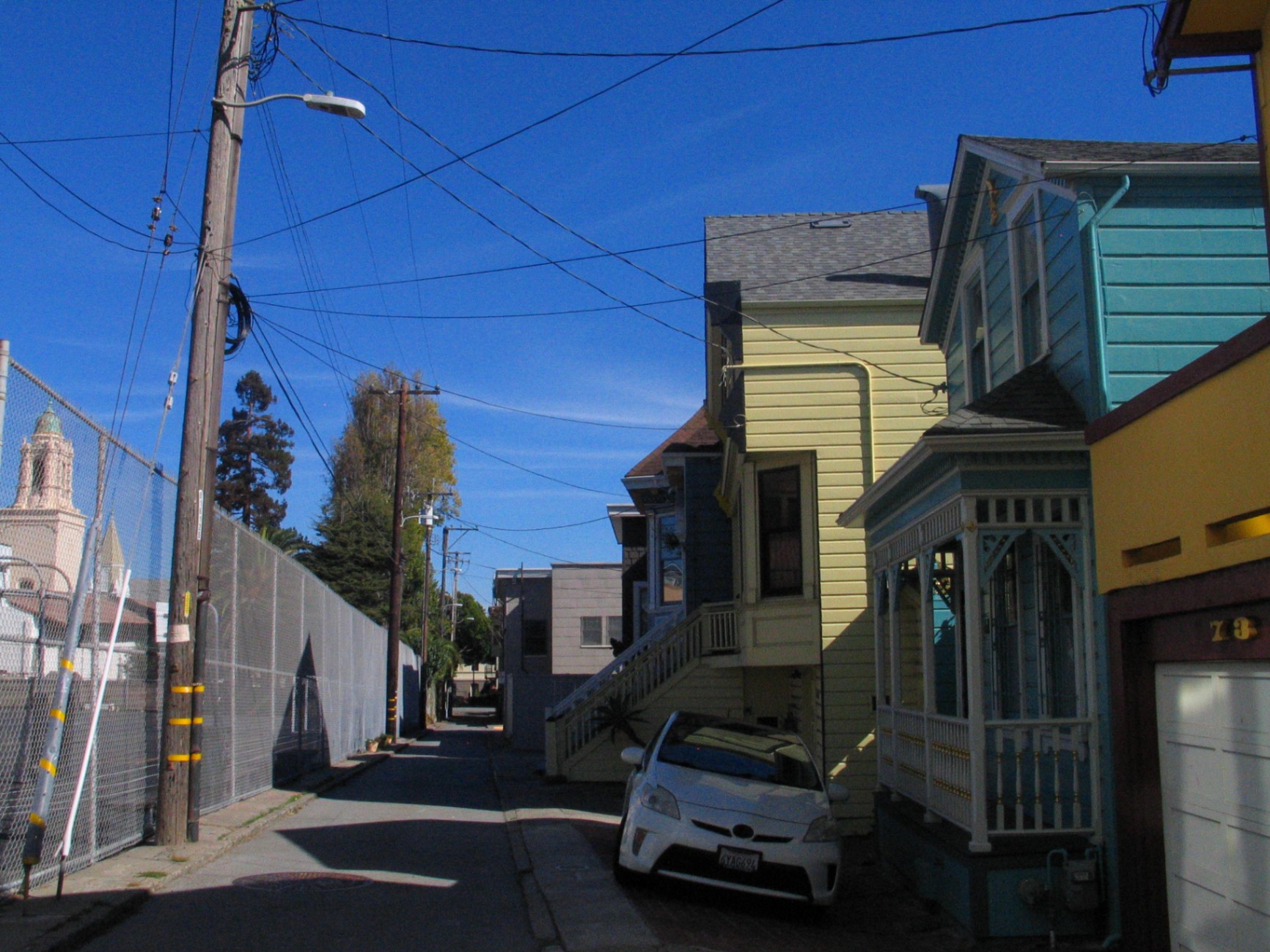
The City in View
Personal photos taken of urban areas.